
intssolution.com

Author name: nazanam598@gmail.com

Family /Solo /Honeymoon Travel

Why Everyone Should Travel Solo at Least Once in Life

Traveling solo is often seen as a bold, even daring choice. Many people dream of exploring the world but hesitate at the thought of doing it alone. Yet, those who have experienced solo travel will tell you it’s one of the most empowering, enlightening, and transformative experiences one can have. Whether it’s a weekend getaway or a month-long adventure abroad, traveling solo offers something unique — a journey not just across places, but within yourself. In this blog, let’s explore why everyone should travel solo at least once in their life and how it can completely change your perspective on life, people, and the world. 1. Discovering Yourself Beyond Comfort Zones When you travel with friends or family, it’s easy to rely on others for decisions — where to go, what to eat, how to plan the day. But when you’re alone, everything depends on you. From finding your way in a new city to making spontaneous choices, you’re fully responsible for your journey. This independence pushes you outside your comfort zone. You start learning more about your strengths, weaknesses, and limits. You realize you’re more capable than you ever imagined — whether it’s navigating public transport in a foreign country, making new friends, or handling unexpected situations. Solo travel is not just about seeing new places — it’s about discovering who you really are. 2. Freedom to Do What You Love One of the biggest joys of solo travel is absolute freedom. You don’t have to compromise on your itinerary, wait for anyone, or adjust your plans. You can wake up early for a sunrise trek or sleep in without guilt. You can spend hours at a museum or skip it entirely. You travel on your own terms, following your curiosity and interests. This flexibility allows you to connect more deeply with the place and the moment — something that’s often lost when traveling in a group. When you travel alone, the world becomes your playground — and you get to decide how to play. 4. Meeting New People and Cultures When you’re alone, you naturally become more open to meeting new people. Locals and fellow travelers are often curious and friendly toward solo explorers. You find yourself striking up conversations in cafes, hostels, or during tours — connections that often turn into lifelong friendships. Traveling alone helps you see people and cultures from a more authentic perspective. Without the influence of your travel companions, you interact with locals on their terms, try local foods, learn local customs, and truly immerse yourself in the environment. Solo travel helps you realize how wonderfully diverse — yet deeply connected — humanity really is. 3. Building Confidence and Independence Traveling solo can seem intimidating at first. But with every successful day of navigating unfamiliar streets, ordering food in a new language, or handling travel hiccups, you build an unshakable confidence. You start trusting yourself more. You realize you can handle challenges — big or small — without relying on anyone else. This newfound independence doesn’t just stay with you during the trip; it spills over into your daily life. You become more self-assured, decisive, and resilient. After a solo trip, you return not just with memories, but with a stronger sense of self. 5. Learning to Embrace Solitude In today’s hyperconnected world, we rarely spend time alone — without distractions, notifications, or company. Solo travel gives you the rare opportunity to enjoy your own presence. Sitting by the beach, watching a sunset, or wandering through a quiet mountain trail alone can be incredibly peaceful. You start to appreciate solitude — not as loneliness, but as a form of freedom and clarity. You reflect more, think deeper, and connect with your thoughts in a way that’s often impossible in everyday life. Solo travel teaches you the beauty of being alone — and being perfectly okay with it. 6. Becoming More Mindful and Present When you travel solo, you tend to be more observant and mindful. You notice little details — the aroma of street food, the architecture of old buildings, the rhythm of local life. Without the distraction of conversation or group plans, your senses heighten. You start living more in the moment. Every experience feels more personal and meaningful. Whether it’s sipping coffee at a roadside café or watching the stars in a remote village, solo travel reminds you that happiness often lies in the simplest moments. Being alone helps you see the world — and yourself — more clearly. FAQ 7. Overcoming Fear and Anxiety Many people hesitate to travel solo out of fear — fear of loneliness, safety concerns, or things going wrong. But once you take that leap, you realize most fears are exaggerated. You learn to adapt, to handle uncertainty, and to trust your instincts. Every challenge you overcome becomes a small victory, teaching you courage and patience. The more you travel solo, the more fearless you become — not just in travel, but in life. Solo travel turns fear into strength and uncertainty into adventure. 8. Creating Your Own Story Every solo trip becomes a personal story — a collection of experiences that belong only to you. The missed buses, random discoveries, unexpected friendships, and silent moments of awe — they become chapters of your journey. These stories stay with you forever, reminding you of your courage, curiosity, and resilience. They inspire you to dream bigger, take risks, and live life fully. When you travel alone, you don’t just visit places — you create your own narrative. Final Thoughts: The Journey Within Traveling solo isn’t about escaping others; it’s about connecting with yourself. It’s about realizing that you don’t need company to enjoy life, explore the world, or find meaning. You learn to be your own best companion — and that’s one of the most empowering lessons life can offer. So if you’ve ever dreamed of exploring a new city, hiking up a mountain, or just taking a break from routine — do it solo. It
Family /Solo /Honeymoon Travel

Top 10 Family-Friendly Destination in India

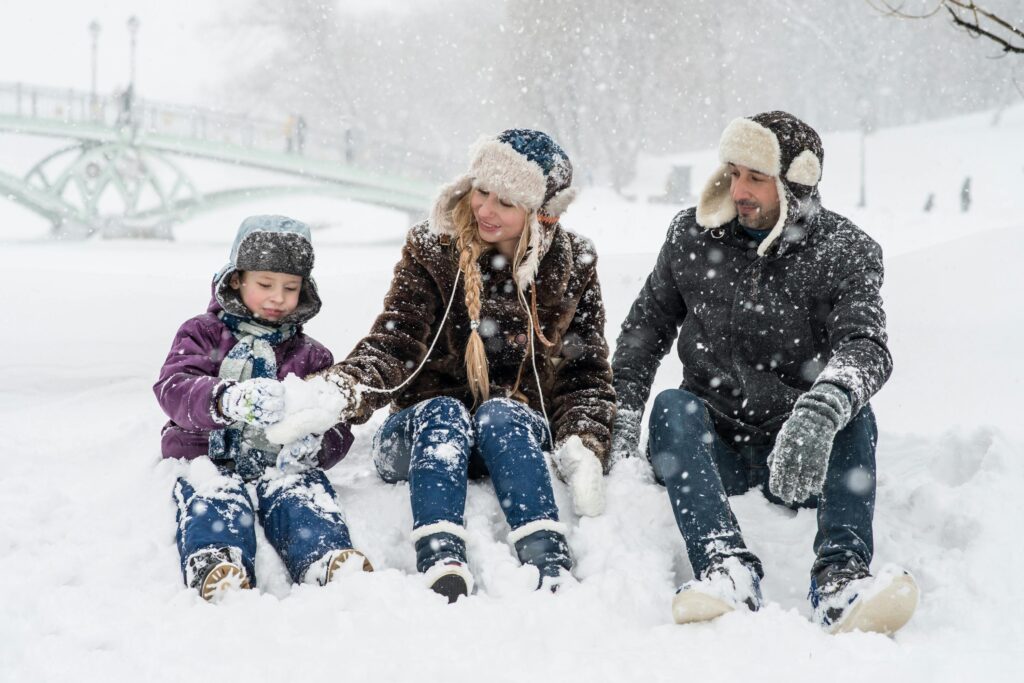
Traveling with family is always a adventure — from kids to grandparents, each member comes with his or her own style of curiosity and excitement. India, with its varied landscapes, cultures, and activities, provides ample choices for a fun-filled family vacation. Whether it is beaches, hills, wildlife, or royal palaces, families can find places that are safe, enjoyable, and enlightening. Here is our handpicked top 10 family destinations in India for 2025–26, including activities, accommodation advice, and handy tips for each. 1. Goa – Sun, Sand and Family Fun Goa is not only for revelers. Families can have a ball on the calm beaches of Morjim, Benaulim, or Agonda, ideal for children to play securely. Apart from beaches, families can visit spice plantations, Bondla Zoo, and dolphin-watching excursions. Most resorts have kids’ clubs, pools, and child-friendly facilities, making it a hassle-free, leisurely holiday spot. Tips: North Goa for vibrant scenes and accessible facilities. South Goa for a peaceful getaway with long expanses of quiet beach. 2. Kerala – Backwaters and Hill Stations Kerala has a blend of nature, adventure, and leisure. Alleppey houseboats can be taken by families on a cruise, tea estates in Munnar can be visited, or Periyar Lake safari at Thekkady. Resorts also have cultural programs, cooking demonstrations, and kids’ activities, so it becomes an educational as well as fun outing. Tips: Schedule a quick 1–2 night houseboat stay to prevent tiredness. Pair backwaters with a hill station accommodation for diversity.  4. Udaipur – Lakes, Palaces, and Relaxation The beauty of Udaipur is its peaceful lakes and stunning palaces. Parents can take a boat ride in Lake Pichola, see Saheliyon-ki-Bari, and tour City Palace, which has a part that is accessible for strollers. Udaipur also offers various family-friendly hotels with pools, so kids can be kept comfortable. Tips: Shorter boat rides are suitable for little children. Bring a light jacket for cooler nights around the lakes. 3. Jaipur – Royal City for Young Adventurers Jaipur is ideal for families looking for a cultural and historical experience. Children will enjoy the elephant ride to Amber Fort, navigating Jantar Mantar’s hands-on observatory, and strolling the colorful bazaars. The city offers child-friendly guided tours so that history can be a lively adventure. Tips: Begin the sightseeing early morning so that it can be avoided in the heat.  Have breaks in between the tours — forts can be exhausting with little children. 5. Andaman & Nicobar Islands – Unspoiled Beaches The Andamans are perfect for families who want serene beaches and transparent waters. The Havelock Island and Radhanagar Beach have safe swimming, shallow snorkeling places, and child-friendly resorts. The islands are serene, and children will enjoy boat rides and wildlife watching. Tips: Fly to Port Blair and skip long ferries with extremely young kids.  Select resorts with child-safety features close to the water. 6. Darjeeling & Gangtok – Himalayan Adventure Darjeeling and Gangtok are perfect for families looking for a hill retreat. Children like the Toy Train journey, walking through tea gardens, and to the Himalayan Zoological Park at Gangtok. Both towns provide relaxed walking, vantage points, and homestays for an easy family outing. Tips: Acclimatize slowly to prevent altitude sickness. Restrict high-intensity hikes on the first day. 8. Ooty & Coonoor – Classic Hill Station Charm Ooty and Coonoor in the Nilgiris are ideal for cold weather and activity. Nilgiri Mountain Railway rides, Ooty Lake boating, and botanical gardens are for families. Sim’s Park in Coonoor and easy vantage points are ideal for photography and sightseeing without exhausting children. Tips: Reserve toy train tickets in advance to save from last-minute inconveniences. Light jackets; nights get cold. 7. Coorg – Nature, Coffee, and Elephants Coorg is a family paradise of nature. Activities involve walks on coffee plantations, waterfalls, and the Dubare Elephant Camp. There are bonfire nights and lawn areas in many resorts where children can play, so it is ideal for relaxation and adventure both.  Tips: Make sure that elephant experiences are with licensed, ethical operators. Plan short excursions to suit young children. 9. Jim Corbett & Nainital – Wildlife and Lakes Mingle wildlife with hill-station adventure with a visit to Jim Corbett National Park and Nainital. Corbett has safaris for children with naturalist guides, while Nainital has boat cruises, ropeway rides, and a Himalayan zoo. This combination promises learning and fun for children of all ages. Tips: Take guided safaris for safety. Plan short activity and break schedules to accommodate little kids. FAQ 10. Mysore – Palaces, Zoos, and Culture Mysore is ideal for a compact, educational, and fun city trip. Families can explore Mysore Palace, the zoo, and the Rail Museum without long commutes. The city is peaceful, with wide roads and bakeries to enjoy local snacks. Tips: Visit the palace in late afternoon for light shows. Walk or take short auto rides between attractions to avoid fatigue. Family Travel Tips for 2025–26 Health & Safety: Carry basic medications, insect repellent, and ORS. Transport: Book family seats or lower berths in trains; ask for bassinets on flights for babies. Accommodation: Opt for resorts or hotels that have kids’ amenities or kid-minding activities. Food: Bring familiar snacks; most places have kid-friendly food. Pace Yourself: Organize short sightseeing sessions to not overexpose young children. Conclusion India is a treasure house for family travel. From beaches of Goa and Andamans, hills of Coorg and Darjeeling, cultural explorations in Jaipur and Mysore, to wildlife explorations in Jim Corbett, each destination has something special to provide to each member of the family. With a careful planning and judicious pacing, a family vacation in 2025–26 can turn into a lifelong memory for generations.

Travel Tips

Digital Travel Tips: Apps and Tools That Make Travel  Easy in 2025

Traveling in 2025 is not simply about carrying luggage and boarding a flight—it’s about employing the correct technology to make your travel hassle-free, efficient, and enjoyable. In 2025, there are various apps and digital tools that have revolutionized how we book flights, organize itineraries, communicate, and even handle money while abroad. Whether you’re a busy frequent flyer, a remote worker, or just someone taking a short trip, saving time, money, and frustration with the correct travel apps is essential. In this blog, we’re looking at the top digital travel hacks, apps, and tools that make traveling hassle-free. 1. AI Price Prediction Flight Booking Apps   Those days of playing the guessing game to book a flight at the cheapest time are long gone. New booking apps such as Hopper, Skyscanner, and Google Flights utilize AI algorithms to forecast price changes and notify you when it is the most affordable time to book. Hack: Create price alarms weeks ahead of your trip—these apps will remind you when to book the lowest fare. 3. Offline Maps for Seamless Navigation Connectivity is not always guaranteed, particularly in rural areas. Applications such as Google Maps and Maps.me enable you to download maps offline. This means you can navigate roads, hiking paths, and public transport routes without an internet connection. Hack: Offline save your hotel, airport, and emergency hospital locations to minimize stress. 5. Currency Converter and Budgeting Apps Handling foreign currency can be confusing. Apps like XE Currency and Revolut provide real-time exchange rates, while budgeting apps like Trail Wallet or Mint track your spending abroad. Hack: Always use apps that offer multi-currency wallets—you’ll avoid paying hidden conversion fees. 7. Airport Navigation Apps Big airports can be overwhelming. FLIO and App in the Air send real-time gate information, airport maps, and lounge details. They also give you a heads-up on security wait times, which can help save you precious minutes. Hack: Connect these apps with your flight information so that you receive automatic notifications. 2. eSIM Apps for Instant Connectivity Having a SIM card at the airport is costly and inconvenient. Apps such as Airalo and Holafly instead allow you to purchase an eSIM prior to departure, where you can immediately access local data as soon as you arrive. Hack: Pre-purchase your eSIM so you have Wi-Fi and map access as soon as you get off the plane. 4. Translation Apps and Tools Language differences can complicate travel, but apps like Google Translate, DeepL, and Microsoft Translator simplify it. You can translate menus, chats, and signs in real time offline. Hack: Download offline language packs prior to traveling—you’ll be grateful in places with poor internet. 6. Smart Itinerary Planners Rather than jotting down notes, have apps such as TripIt or Wanderlog organize a virtual travel schedule. Just send your flight, hotel, and tour confirmations, and the app constructs a day-by-day agenda for you. Hack: Share your schedule with family and friends for safety and simple updates. 8. Ride-Hailing and Local Transport Apps Instead of waiting in taxi queues, use apps like Uber, Lyft, Bolt, Ola, or Grab (depending on your region). They allow cashless payments and ride tracking for safety. For public transport, apps like Moovit provide real-time bus and train schedules. Hack: Always check if the destination city has its own local ride-hailing app—many do, and they’re cheaper than international ones. 9. Accommodation Apps with Verified Reviews Reserving the proper accommodation matters to ensure comfort and security. Booking.com, Airbnb, and Agoda apps offer guaranteed reviews and intelligent filters. You can look for accommodation with pets, digital nomad coworking spaces, or eco-hotels. Hack: Utilize “Map View” to locate hotels around city centers or public transport—it saves you travel time on a daily basis. 10. Travel Insurance Apps Travel insurance is usually forgotten, but it’s an absolute must in case of emergencies. SafetyWing, World Nomads, and Allianz Travel are some apps that allow you to purchase insurance on the go and claim it digitally. Hack: Save your policy within the app for easy access if required during medical emergencies 11. Digital Wallets and Virtual Cards Carrying money is unsafe. Instead, make secure digital payments using Google Wallet, Apple Pay, or Revolut. Virtual cards enable one-time transactions, minimizing the risk of fraud when reserving hotels or tours online. Hack: Always keep a backup card in your digital wallet in case one doesn’t work. 12. Safety and Emergency Apps For individuals who travel alone, security is paramount. bSafe, Noonlight, and Smart Traveler apps enable you to send live locations to family and friends and send emergency notifications. Hack: Save local emergency contact numbers (police, ambulance, and embassy) before you reach your destination. 13. Food and Dining Apps Seeking authentic food? Google Maps Reviews, Yelp, and Zomato apps present nearby restaurants with reviews, menus, and images. For special dietary needs, HappyCow assists with finding vegan and vegetarian restaurants globally. Hack: Utilize “Popular Times” in Google Maps to bypass long queues at popular restaurants. 14. Language Learning Apps for Quick Phrases Language-learning apps such as Duolingo, Babbel, or Mondly enable you to pick up basic phrases in minutes every day. Learning greetings or polite words also enables you to bond more with locals. Hack: Save lessons for offline study on long-haul flights. 15. Document Storage Apps Don’t bring your sole copy of vital documents with you. Google Drive, Dropbox, or Evernote can be used to store electronic copies of your passport, ID, and reservations. Hack: Provide offline access for these files so that you can access them offline.  16. Flight Delay Compensation Apps Flight delays are annoying, but did you know you can actually claim compensation? Apps such as AirHelp can check to see if you can claim refunds and deal with the paperwork. Hack: Submit claims every time—it only takes minutes, and you could get hundreds of dollars back. 17. Language-Friendly AR Glasses (Emerging Tech) One of the coolest innovations in 2025 is AR translation glasses. They display real-time translations of menus and signs in your field

Adventure/Activities Travel

Caribbean Escapes : Water Adventures Beyond the Beaches

When people think of the Caribbean, their minds often drift to postcard-perfect beaches with powdery white sand and turquoise waters. And while it’s true that the Caribbean boasts some of the world’s most idyllic shorelines, there’s so much more to experience beyond sunbathing and sipping cocktails by the sea. This diverse region is a playground for water adventurers, offering thrilling activities that take you beneath the waves, across shimmering lagoons, and into hidden natural wonders. If you’re ready to explore beyond the beaches, here are some unforgettable water adventures that await in the Caribbean. Snorkeling in Coral Gardens Scuba Diving with Giants The Caribbean is home to some of the richest coral ecosystems on Earth. While snorkeling might sound like a classic vacation pastime, the experience here feels extraordinary. Slip on your mask and fins, and suddenly you’re immersed in a kaleidoscope of life: parrotfish darting among coral fans, schools of shimmering jacks gliding in unison, and maybe even a sea turtle gracefully making its way through the currents. Top spots include Belize’s Hol Chan Marine Reserve, which is teeming with nurse sharks and stingrays, or Aruba’s Antilla Shipwreck, one of the largest wrecks in the Caribbean and an underwater museum in itself. Each destination tells a unique story of biodiversity and history beneath the surface. For those eager to dive deeper, scuba diving opens the door to encounters that few ever forget. The Caribbean Sea is renowned for its clear waters, visibility often exceeding 100 feet, making it a diver’s paradise. Imagine descending into the famous Blue Hole in Belize, a near-perfect circular sinkhole over 400 feet deep, where stalactites and ancient rock formations await. Or head to the Cayman Islands, where divers flock to explore vibrant reefs and vertical walls that plunge dramatically into the ocean depths. One of the most exhilarating experiences is swimming alongside gentle giants like whale sharks and manta rays in places such as Isla Mujeres and Roatán. It’s not just an adventure—it’s a humbling encounter with nature. Kayaking Through Hidden Lagoons Not all Caribbean water adventures require going underwater. Kayaking is a serene yet immersive way to explore the region’s hidden corners. Paddle through quiet mangrove forests in Puerto Rico, where the tangled roots provide shelter for crabs, fish, and exotic birds. Glide through Belize’s Sittee River, which winds past dense jungle before meeting the sea. For something truly magical, try kayaking at night in one of the Caribbean’s bioluminescent bays. The most famous is Mosquito Bay in Vieques, Puerto Rico, where microscopic organisms light up the water with every paddle stroke, creating a starry glow beneath your boat. It’s like paddling through liquid stardust. Kitesurfing and Windsurfing Thrills If you crave speed and adrenaline, the Caribbean’s steady trade winds and open waters make it an ideal hub for kitesurfing and windsurfing. The wide, shallow lagoons of Cabarete in the Dominican Republic have earned it a reputation as one of the world’s top spots for wind sports. Whether you’re a beginner learning to harness the wind or a seasoned pro soaring high above the waves, this coastal town offers the perfect playground. Aruba is another hotspot, with consistent winds and shallow bays perfect for safe, exhilarating rides. Beyond the thrill, these sports let you enjoy sweeping views of the coastline while skimming across the water at lightning speed. Sailing Between Islands One of the most enchanting ways to experience the Caribbean is by sailboat. After all, this region has long been a crossroads for sailors and explorers. Charter a catamaran or join a sailing excursion and hop between islands at your own pace. Feel the salt spray as you slice through the waves, drop anchor in secluded coves, and snorkel in spots only accessible by boat. The Grenadines are particularly famous for their sailing culture, offering turquoise anchorages and unspoiled islands where you can mingle with local fishermen or feast on freshly grilled lobster on the beach. Sailing isn’t just a means of transportation here—it’s a lifestyle and a chance to experience the Caribbean the way its early explorers did. Swimming with Stingrays Few activities create lifelong memories like swimming with stingrays. In the Cayman Islands’ Stingray City, visitors wade into shallow sandbars where dozens of southern stingrays glide gracefully around. Far from being intimidating, these creatures are surprisingly gentle and curious. Holding or feeding them under the guidance of experienced guides adds a thrilling yet safe element to your Caribbean adventure. It’s a reminder that wildlife encounters, when done responsibly, can deepen our appreciation of marine ecosystems. River Tubing and Waterfalls Deep-Sea Fishing Expeditions The Caribbean isn’t all about the sea—its rivers and waterfalls offer equally refreshing adventures. In Jamaica, float down the Martha Brae River in an inner tube or bamboo raft, winding past lush rainforest and rural villages. The experience blends relaxation with glimpses of authentic island life. For something more exhilarating, hike to hidden waterfalls like Dunn’s River Falls in Ocho Rios or Diamond Falls in St. Lucia, where you can swim in cool cascades surrounded by tropical foliage. These freshwater escapes offer a contrast to the salty sea while keeping the adventure alive. For those who prefer the thrill of the chase, deep-sea fishing is another way to connect with Caribbean waters. Set out on a chartered boat and cast your line for marlin, tuna, mahi-mahi, or barracuda. Each tug on the line brings a rush of excitement, and even if you’re not an experienced angler, guides are there to ensure an unforgettable outing. Places like Barbados, the Bahamas, and the Virgin Islands are famous for their fishing grounds, where the combination of sport and scenery creates the ultimate adventure. Stand-Up Paddleboarding in Calm Waters Stand-up paddleboarding (SUP) has grown rapidly in popularity, and the Caribbean’s calm bays and crystal-clear lagoons are perfect for it. Imagine standing on your board, gazing down through the transparent water at fish and coral below. It’s a meditative yet active way to connect with your surroundings. Spots like Turks and Caicos’

Adventure/Activities Travel

Best Destination in India for Air Adventure Lovers

 India is a country of diversity, not only in culture and customs but also in landscape and travel. From the snow-covered ranges to sandy deserts, peaceful beaches to crowded cities, the nation has a little bit of everything. But for people who love adventure, excitement, and the rush of flying high off the ground, India has something else to offer — air adventures. Adventure seekers these days are not content with mere sightseeing; they yearn to feel the sky, sail across valleys, and test their adrenaline on the next level. Whether you aspire to paraglide in the Himalayas, skydive over open fields, or soar in a hot air balloon over ancient forts, India has some of the most unforgettable places for air adventure seekers. 1. Bir Billing, Himachal Pradesh – The Paragliding Capital of India Located amidst the Dhauladhar mountain range of Himachal Pradesh, Bir Billing is officially known as Asia’s premier paragliding destination. The take-off point at Billing and the landing point at Bir provide an excellent combination for paragliding. The breathtaking view of snow-covered peaks, verdant valleys, and blue skies offers it a haven for adventure lovers. Adventure Activity: Paragliding Best Time to Visit: March to June & September to November Highlights: Soar above the Himalayan valleys, expert pilots, secure atmosphere Why Visit: If paragliding has been a dream activity for you, Bir Billing is the perfect destination to give it a shot in India. 2. Rishikesh, Uttarakhand – Where Spirituality Meets Thrill ✨ Rishikesh, renowned globally as the Yoga Capital of the World, also provides a combination of spirituality and adventure. While the Ganga ghats are ideal for yoga and meditation, the cliffs close to Rishikesh are popular for air adventure sports such as bungee jumping, giant swing, and flying fox. Adventure Activities: Bungee Jumping, Giant Swing, Flying Fox Best Time to Visit: September to November & March to May Highlights: India’s first fixed platform bungee jump, adrenaline-pumping giant swing over River Ganga Why Visit: Ideal place to combine serenity and spirituality with extreme adventure. FAQ 3. Goa – Beaches, Fun & Parasailing Goa is usually conjured up in terms of nightlife, beach parties, and relaxing atmosphere. Yet, it’s one of India’s top places to experience air and water activities. One of the favorite things to do here is parasailing over the Arabian Sea. Some beaches even provide paragliding and hot air balloon rides for visitors looking for something more. Adventure Activities: Parasailing, Hot Air Balloon Ride, Paragliding (at certain beaches) Best Time to Visit: October to March Highlights: Fly over the Arabian Sea, sunset balloon flights, beach adventure Why Visit: A perfect blend of fun, thrill, and leisure activities — Goa is the place to be.   5. Mysore, Karnataka – Skydiving Thrills If you’re looking for an ultimate adrenaline rush experience, Mysore is where you’ll find it. This Karnataka city has a reputation for offering safe and professional skydiving centers. Whether you opt for a tandem jump with an instructor or a solo jump after training, the experience of free-fall is unforgettable. Adventure Activity: Skydiving (Tandem & Solo) Best Time to Visit: October to March Highlights: Professional instructors, pristine skies, and secure landing areas Why Visit: Blends the cultural beauty of Mysore with the rush of extreme adventure.   4. Jaipur, Rajasthan – Hot Air Balloon Over the Pink City The royal city of Jaipur appears even more regal from above. A hot air balloon trip here gives tourists a chance to experience the enormity of Amber Fort, Nahargarh Fort, and the Aravalli Hills at sunrise or sunset. Drifting serenely above the Pink City is romantic and breathtaking. Adventure Activity: Hot Air Balloon Ride Best Time to Visit: October to March Highlights: Bird’s eye view of ancient forts and palaces, sunrise rides in golden hue Why Visit: A tranquil and romantic air adventure, ideal for couples and families. 6. Ladakh – Paragliding in the Himalayas Ladakh is already on every adventurer’s wish list for its rocky landscape, glacial lakes, and Buddhist monasteries. Putting paragliding on the list makes the journey even more thrilling. Paragliding over the Himalayas and the high-altitude valleys provides a unique adrenaline rush. Adventure Activity: Paragliding Best Time to Visit: May to September Highlights: Paraglide over lakes, valleys, and the Himalayan ridges Why Visit: An experience of a lifetime in one of India’s most beautiful landscapes. 7. Sikkim – Cable Car & Paragliding in the Northeast Sikkim is a secret destination as far as air adventure sports are concerned. A cable car (ropeway) ride in Gangtok provides a breathtaking view of the Kanchenjunga ranges and valleys. The state offers paragliding possibilities as well, hence a packed adventure destination. Adventure Activities: Paragliding, Cable Car Ride Best Time to Visit: March to June & September to November Highlights: Bird’s eye view of Kanchenjunga, picturesque valleys below Why Visit: Ideal for those looking to experience a mix of Northeast natural beauty and adventure. 9. Darjeeling, West Bengal – Ropeway Joyride Darjeeling is known for its tea plantations, toy train, and misty Himalayan scenery. But another attraction here is the Darjeeling Ropeway, which serves up stunning vistas of rolling tea plantations, valleys, and snow-capped peaks. Though not as intense as paragliding or skydiving, it’s a quiet aerial adventure that families adore. Adventure Activity: Ropeway Ride Best Time to Visit: March to May & October to December Highlights: Panoramic views of tea plantations and the Himalayas Why Visit: Ideal for travelers seeking a scenic and calm air adventure. 10. Bangalore, Karnataka – Microlight Flying ✈️ If you have ever longed to pilot an airplane, Bangalore offers the opportunity with microlight flying. You can handle a small plane under the supervision of experienced pilots and fly up to 6,000 feet. It’s one of India’s most offbeat air adventure activities.  Adventure Activity: Microlight Flying Best Time to Visit: November to February Highlights: Flying experience with hands-on control, bird’s eye view of the IT city Why Go: A unique chance to realize your pilot fantasies. Travel Tips for Air

Adventure/Activities Travel

Best Beach Destination For Water Adventure Activities

India is not just about mountains, forests, or historical sites—it also boasts some of the most thrilling beach destinations for water adventure activities. From the sun-kissed shores of Goa to the serene beaches of Andaman, India’s coastline offers a variety of water sports and adventure activities suitable for both beginners and thrill-seekers. Here’s a curated guide to the best Indian beach destinations for water adventures. 1. Goa – The Adventure Capital of Indian Beaches Goa is India’s premier beach destination, combining vibrant culture with exciting water sports. Its long stretches of sandy beaches and lively towns make it perfect for adventure seekers. Water Adventure Activities in Goa:   Parasailing: Get a bird’s-eye view of Baga and Calangute beaches while soaring above the waves. Jet Skiing & Speed Boating: Popular along Calangute and Candolim, offering thrilling rides for adrenaline junkies. Banana Boat Rides: A fun group activity that combines speed and splashes. Kayaking & Paddleboarding: Explore Goa’s backwaters and mangroves for a peaceful water adventure. Scuba Diving & Snorkeling: Grande Island and Bogmalo Beach are hotspots for underwater exploration.Goa’s combination of adventure, vibrant nightlife, and stunning beaches makes it a must-visit for water sports lovers. 2. Andaman and Nicobar Islands – A Tropical Adventure Paradise The Andaman Islands are famous for their pristine beaches, clear blue waters, and rich marine life. This destination is perfect for travelers looking to combine adventure with serene natural beauty. Water Adventure Activities in Andaman: Scuba Diving: Havelock Island and Neil Island are world-renowned for coral reefs and vibrant marine ecosystems. Snorkeling: Elephant Beach and Radhanagar Beach offer shallow waters ideal for beginners. Sea Walking: A unique experience of walking on the ocean floor while enjoying the marine life. Kayaking: Paddle through mangroves and coastal areas for a peaceful adventure. Jet Skiing & Parasailing: Available at Port Blair and popular tourist beaches for thrilling rides.   The Andaman Islands provide unmatched underwater experiences and adventure for all age groups. 4. Varkala, Kerala – Adventure Amidst Scenic Cliffs Varkala is famous for its cliffs overlooking the Arabian Sea, providing breathtaking views along with water adventure activities. The beach town is perfect for travelers who want to combine relaxation with thrills. Water Adventure Activities in Varkala:   Surfing: Suitable for beginners, with gentle waves perfect for learning. Paragliding & Parasailing: Take off from cliffs or beaches for panoramic views. Kayaking & Paddleboarding: Explore calm backwaters and coastal stretches. Jet Skiing: Available near popular beaches for an adrenaline rush. Varkala’s mix of natural beauty and adventure makes it a unique destination for water sports enthusiasts. 3. Puri, Odisha – Adventure on the Bay of Bengal Puri, located on the eastern coast of India, is known for its golden beaches and cultural significance. It’s also an emerging hub for water sports and adventure activities. Water Adventure Activities in Puri:   Parasailing & Speed Boating: Ideal for thrill-seekers looking to explore the coastline from above. Jet Skiing: Popular in the calm waters near Puri Beach. Banana Boat Rides: Fun and safe for families and groups. Kayaking: Paddle along serene coastal stretches and enjoy the Bay of Bengal’s calm waters. Puri offers a perfect mix of cultural experiences and exciting water adventures. 5. Radhanagar Beach, Havelock – Andaman’s Underwater Wonderland   Radhanagar Beach on Havelock Island is often cited as one of India’s most beautiful beaches. Its clear waters, soft sand, and marine life make it ideal for adventure activities. Water Adventure Activities at Radhanagar:   Scuba Diving: Explore the vibrant reefs teeming with fish and corals. Snorkeling: Safe for beginners and ideal for observing colorful marine life. Kayaking: Paddle along calm waters surrounded by natural beauty. Jet Skiing: Available for those seeking high-speed fun. This beach offers tranquility while still catering to adventure seekers. 6. Kovalam, Kerala – Iconic Coastal Adventure Kovalam is one of Kerala’s most famous beaches, combining palm-fringed shores with thrilling water activities. Its crescent-shaped beaches make it a hotspot for both relaxation and adventure. Water Adventure Activities in Kovalam: Surfing: Waves suitable for beginners and intermediate surfers. Parasailing: Enjoy stunning views of the Arabian Sea from above. Kayaking & Paddleboarding: Explore the calm waters and scenic coastline. Speed Boating: Ideal for thrill-seekers who want a fast-paced water adventure. Kovalam offers a perfect blend of adventure, scenic beauty, and relaxation. Quick Adventure Checklist – India Edition Goa: Parasailing at Baga Beach Jet skiing at Calangute Banana boat rides Kayaking in backwaters Scuba diving at Grande Island Andaman & Nicobar: Scuba diving at Havelock Island Snorkeling at Elephant Beach Sea walking experience Kayaking along mangroves Jet skiing & parasailing at Port Blair Puri:   Parasailing & speed boating Jet skiing near Puri Beach Banana boat rides Kayaking along the Bay of Bengal Varkala: Surfing for beginners Paragliding & parasailing Kayaking & paddleboarding Jet skiing along the coastline Kovalam, Kerala: Surfing Parasailing Kayaking & paddleboarding Speed boating Radhanagar Beach, Havelock: Scuba diving Snorkeling Kayaking Jet skiing Tips for Planning Your Water Adventure Trip in India Check the Season: Coastal weather varies across India. For example, Goa is best visited from November to March, while the Andamans are ideal between December and April. Safety First: Always hire certified instructors for scuba diving, surfing, or parasailing. Gear Up Properly: Wetsuits, life jackets, and snorkeling gear improve safety and enjoyment. Travel Insurance: Ensure coverage for adventure activities, especially for water sports. Respect Local Guidelines: Follow rules regarding marine life, protected beaches, and local fishing areas. Conclusion India’s beaches are more than just scenic getaways—they are hubs of adventure and excitement. From the vibrant beaches of Goa to the serene shores of the Andaman Islands, water adventure activities abound, including surfing, scuba diving, parasailing, jet skiing, and kayaking. Whether you are a beginner looking to try something new or an adrenaline junkie chasing thrills, India’s coastline has something for everyone. So pack your swimsuit, grab your adventure spirit, and explore the best beach destinations for water adventure activities in India—because the waves are calling!

Adventure/Activities Travel

Top 8 Himalaya Trekking Place For Adventure Seekers

The Himalayas are not merely a range of mountains—the heart of adventure, the rhythm of thrill, and every trekker’s dream from across the globe. Spanning India, Nepal, Bhutan, and Tibet, these great mountains boast some of the world’s most stunning trekking trails. Himalayan trekking is not just about pushing your limits; it’s about immersing yourself in nature, learning about new cultures, and living moments that will remain with you for life. From snowy rivers and alpine meadows to snow-clad mountains and spiritual monasteries, each Himalayan trek has a new story to offer. If you are looking to plan your next trip, here is a comprehensive list of the Top 10 Trekking Destinations in the Himalayas that each trekker must visit at least once. 1. Everest Base Camp Trek (Nepal) Amazing place When we speak of Himalayan trekking, the first name that floats to mind is the world-famous Everest Base Camp Trek (EBC). Being at the base of the planet’s highest peak, Mount Everest (8,849m), is a lifetime experience. This is not only about getting to the base camp—it’s about the experience passing through the Khumbu landscape. Trekkers pass through Sherpa villages, see ancient Buddhist monasteries, and cross suspension bridges over precipitous gorges. The climax is, naturally, the sight of Mount Everest, as well as Lhotse, Nuptse, and Ama Dablam. Experience Difficulty: Moderate to Challenging Duration: 12–14 days Best Time: March–May and September–November Highlights: Views of Mount Everest, Khumbu Glacier, Sherpa hospitality 2. Chadar Trek (Ladakh, India) The Chadar Trek is one-of-a-kind among all the treks in the world. It is on the icy Zanskar River in Ladakh where one literally walks over a mass of ice (Chadar means sheet). The whole landscape appears otherworldly—icy cliffs on either side, iced-up waterfalls, and silence that’s full of magic. Ice walking, braving sub-zero temperatures, and camping in caves add to the strenuousness of this trek but also make it one of the most rewarding. It’s a mental and endurance test. Difficulty: Difficult Duration: 8–9 days Best Time: January–February Highlights: Frozen river, ice caves, Zanskari culture 3. Roopkund Trek (Uttarakhand, India) Also popularly referred to as the Mystery Lake Trek, Roopkund is renowned for the skeletons of humans at the bottom of its glacial lake, which are centuries old. The trek goes through alpine meadows (Bugyals), thick oak and rhododendron forests, and snow-capped peaks. The sight of Mount Trishul and Nanda Ghunti is breathtakings, particularly when the lake mirrors their reflections like a mirror. For the mystery-lovers, history-lovers, and nature-lovers, this is an absolute must-do trek. Difficulty: Moderate Duration: 7–9 days Best Time: May–June and September–October Highlights: Roopkund Lake, Bedni Bugyal meadows, snow paths 4. Valley of Flowers Trek (Uttarakhand, India) The Valley of Flowers is a World Heritage Site by UNESCO and one of the most captivating trekking routes of the Himalayas. In monsoon season, the whole valley becomes a riot of colorful wildflowers, with streams and waterfalls enhancing its beauty. This trek, situated close to Hemkund Sahib, is easy and hence perfect for families and beginners. It is less about the trekkiness and more about the natural beauty. Difficulty: Easy to Moderate Duration: 6–7 days Best Time: July–September Highlights: Wildflowers, Hemkund Sahib, snow-capped peaks 5. Markha Valley Trek (Ladakh, India) The Markha Valley Trek is also known as the “Little Tibet” of India. It is a blend of barren landscapes, spiritual monasteries, and passes at great heights. Trekkers will find themselves crossing rivers, discovering age-old monasteries such as Hemis, and meeting friendly Ladakhi villagers. Against the dramatic backdrop of Kang Yatse and Stok Kangri peaks, the trek is a photographers’ and adventurers’ delight. Difficulty: Moderate Duration: 8–9 days Best Time: June–September Highlights: Hemis Monastery, Ladakhi villages, views of Kang Yatse 6. Goechala Trek (Sikkim, India) For those who can only hope to behold Kanchenjunga (8,586m) at close range, the Goechala Trek is the ideal option. The view of sunrise over Kanchenjunga from the Goechala viewpoint cannot be put into words. The trek also goes through rhododendron woods, Samiti Lake, and Dzongri, so it’s one of the most picturesque treks in the Indian Himalayas. Difficulty: Moderate to Challenging Duration: 9–11 days Best Time: April–June and September–November Highlights: Kanchenjunga sunrise, Samiti Lake, Dzongri viewpoint 7. Sandakphu Trek (West Bengal, India) If you are looking for a trek that provides views of four out of the world’s five tallest mountains—Everest, Kanchenjunga, Lhotse, and Makalu—then Sandakphu is your destination. This trek is situated on the Indo-Nepal border and is comparatively shorter in length than others. The iconic “Sleeping Buddha” shape of Kanchenjunga can be seen here, making it a photographer’s favorite. Difficulty: Moderate Duration: 5–6 days Best Time: April–June and October–December Highlights: Sleeping Buddha view, rhododendrons, Singalila National Park 8. Hampta Pass Trek (Himachal Pradesh, India) The Hampta Pass Trek is perfect for those who want to experience contrasting landscapes. Starting from the lush green valleys of Kullu, the trek crosses the Hampta Pass and ends in the stark, barren beauty of Spiti Valley. The sight of Chandratal Lake, with its turquoise water surrounded by mountains, is the perfect reward at the end of the trek. Difficulty: Moderate Duration: 5–6 days Best Time: June–September Highlights: Chandratal Lake, transition from Kullu to Spiti, alpine meadows Trekking Tips for the Himalayas Fitness First: Train at least a month in advance—do cardio, strength training, and long walks. Travel Light: Pack only basics—good trekking boots, layered clothes, first-aid kit, and hydration packs. Acclimatization: Let your body acclimatize to high altitudes. Don’t rush. Respect Nature: Don’t litter, have reusable bottles, and practice eco-friendly methods. Go Local: Hire local guides and porters; they not only ensure safety but also enrich your cultural experience. Conclusion The Himalayas are not just mountains; they are a spiritual and adventurous journey. Each trek offers something unique—be it the frozen rivers of Ladakh, the flower-filled valleys of Uttarakhand, the mysterious lakes at high altitudes, or the challenging passes of Nepal. Whether you are an inexperienced enthusiast hoping for your first Himalayan trek or an experienced trekker

Travel Tips

20 Smart Travel Tips and Hacks Every Traveler Should Know in 2025

Traveling in 2025 has become more exciting than ever before. With advanced technology, smarter tools, and a growing focus on sustainable travel, exploring the world is easier and more enjoyable. However, travel can still be stressful if you’re not well-prepared. Delayed flights, expensive bookings, overpacking, and language barriers can quickly turn a dream vacation into a headache. That’s where clever planning is necessary. With the help of clever hacks and current traveling trends, you can save money, minimize stress, and simplify your trip. Whether you’re a seasoned flyer, a remote worker, or an individual planning to go on a once-a-year trip, these 20 clever traveling tips and hacks will make you travel like a pro in 2025. 1. Travel Light with Smart Luggage Hauling around heavy suitcases is tiring, particularly when you have more than one flight or train trip. Smart luggage today is a revolution. These suitcases have GPS locators built into them, so you’ll never misplace your bag again. They also have digital locks, weighing sensors, and USB ports to charge your gadget. Hack:  Opt for carry-on size suitcases to skip baggage fees and lining up at carousel belts. 3. Use eSIM Cards Purchasing local SIM cards from airports is both costly and time-consuming. With eSIM technology, a local mobile network can be switched using only a QR code scan. eSIM is supported by most new smartphones, and tools such as Airalo and Holafly provide cheap global data packages. Hack:  Purchase your eSIM beforehand so your phone connects when you arrive. 2. Download Offline Maps and Translators Internet connectivity is not available everywhere. In the countryside or in mountains, you can lose the connection. Offline maps and translators are therefore necessary. Download Google Maps offline for your destination and applications such as DeepL or Google Translate. They allow you to navigate, read menus, and communicate without an internet connection. Hack  Pin crucial locations (such as your hotel, airport, and closest hospital) prior to your trip. 4. Pay Securely with Virtual Cards International fraud risks are higher when traveling. Protect yourself by using virtual cards generated by your bank or apps like Revolut. These cards can be set for one-time use or limited transactions, keeping your main account safe. Hack Use virtual cards for hotel bookings, car rentals, or shopping online abroad. 5. Book Flights on the Right Day Flight prices fluctuate all the time, yet statistics still indicate that the most affordable days to fly are Tuesdays and Wednesdays. Apps used to book flights in 2025 now employ AI technology to make projections about when to expect fare increases or decreases. This ensures you get the best available deal at the appropriate time. Hack: Enable fare alerts on your route of choice and reserve when the app informs you of a price decrease. 6. Join Biometric Fast-Track Programs Airports in 2025 have universally implemented biometric technology for check-in, boarding, and immigration. CLEAR (USA), Global Entry, or DigiYatra (India) employ facial recognition, which enables you to bypass long queues. Hack: If you’re a frequent traveler, join one of these programs—it saves hours of time at crowded airports. FAQ 7. Pack a Universal Adapter with USB-C Various nations have various plugs, but you only need to carry one universal adapter. The new models have numerous USB-C and USB-A ports, which enable you to charge multiple devices at once. Hack: Buy a smaller adapter that supports fast charging—it is a lifesaver for smartphones and laptops. 8. Keep Documents Digitally It is stressful to lose crucial documents when traveling. Store digital copies of your passport, tickets, insurance, and hotel reservations in a secure wallet app such as Google Wallet or Apple Wallet. Most nations in 2025 also recognize digital IDs and e-passports. Hack: Store a copy of your documents in cloud storage (Google Drive, Dropbox) that can be accessed offline. 9. Make an attempt at Smart Translation Glasses Technology has advanced translation to a new level. In 2025, AR glasses using AI are able to show real-time translations of signs, menus, and even conversations. That simplifies traveling in foreign countries a lot without having to refer to your phone every other second. Hack: If glasses don’t appeal to you, use wireless earbuds and a conversation translator app for live translation. 10. Pack a Mini First Aid & Health Kit Health is a prime concern while traveling. Always pack a miniature medical kit containing essentials such as band-aids, painkillers, motion sickness tablets, sanitizers, and masks. Also, have a digital copy of your vaccination and health cards. Hack: Penetrate your luggage with refillable water bottles and mini vitamin packs to remain energized throughout long journeys. 11. Steer clear of Tourist Traps using AI Apps   Touristy spots can be crowded and overpriced. Apps now study real-time crowd patterns to recommend peak versus off-peak visiting times or hidden gems instead. Hack: Skip meals around tourist areas—side streets feature local eateries that are less expensive and more flavorful. 12. Save on Hotels & Airbnb   Accommodation will devour most of your travel fund. Save by joining loyalty programs, utilizing cashback apps, or booking on comparison websites. A lot of Airbnb hosts now have discounts for extended periods of stay (5–7 nights). Hack: Flexible dates typically equate to lower prices. Compare price fluctuations on various booking websites at all times. 13. Roll, Don’t Fold Clothes Packing smart saves time and space. Rolling clothes instead of folding prevents wrinkles and maximizes space. Packing cubes help keep items organized by category. Hack: Store small items like socks or chargers inside shoes to save extra space. 14. Carry a Portable Filter Water Bottle Buying bottled water abroad adds up quickly. In 2025, filter water bottles remove bacteria and chemicals, allowing you to drink tap water safely. It’s eco-friendly and budget-friendly. Hack: Pick a compact filter bottle that is carried in your bag’s side pocket. 15. Leverage Airport Lounges Long layovers are exhausting, but airport lounges transform them into pleasures. Even those in economy seats can utilize lounges via Priority

Travel Tips

Travel Safety Tips and Hacks for Solo Traveler

Solo travel is one of the most empowering and freeing experiences you can get. It gives you the freedom to travel at your own pace, interact with people, and build your confidence like nothing else. Solo travel, however, is not without challenges—particularly when it comes to safety. Without a travel buddy to fall back on, you have to be doubly careful, well-prepared, and vigilant. The best part is that traveling solo in 2025 is smarter and safer than ever before, thanks to today’s technology, travel apps, and a couple of well-proven safety hacks. As a first-time solo traveler or an experienced adventurer, this guide will offer key safety hacks and tips for solo travelers to enable you to have an enjoyable trip with peace of mind. 1. Share Your Itinerary with Someone You Trust When traveling by yourself, make sure someone you know knows where you are. Give a trusted contact your flight information, hotel booking, and a general idea of your daily activities. That way, they can get in touch with you—or notify the authorities—if you disappear. Hack: Automatically share updates with loved ones using Google Calendar or a travel app.   2. . Select Accommodation Carefully 3. Keep Digital and Physical Copies of Documents 4. Stay Connected with an eSIM Your accommodation is your safe base. Avoid sketchy hostels or low-rated hotels that may compromise security. Instead, look for places with good reviews, strong safety features, and 24/7 reception desks. Hack: Book through platforms like Airbnb or Booking.com that have verified hosts and allow you to read detailed reviews before committing.   It can be a hassle to lose your passport or ID when traveling alone. Keep scanned documents of your passport, visa, and insurance securely backed up in the cloud, and also have physical photocopies. Hack: Send a copy to yourself so that you can open it straight away on any device if you need to.   Communication is safety. Rather than paying for costly roaming fees or hunting for SIM cards, download an eSIM. The Airalo apps allow you to access local networks immediately. Hack: Save emergency numbers (local police, embassy, and a local hospital) on your phone before you leave.   5.Learn about Local Scams and Risks Each place has its own set of regular scams—false taxis, overpricing, or “helpful” locals to assist. Prior to your trip, take the time to learn about regular scams and safety concerns in your destination. Hack: use Reddit travel forums and TripAdvisor posts to read other solo traveler firsthand accounts.   6. Don’t Overpack—Pack Light   Having several heavy bags can render you an easy target for scams or robbery. Pack only essential things in a carry-on or small backpack. Not only will this not make you stand out to potential threats, but it also makes travel safer and convenient. Hack: Invest in a crossbody anti-theft bag with stealthy zippers for safe storage of your essentials. 7.Opt for Ride-Hailing Apps Over Street Taxis Boarding an unregistered taxi is one of the greatest solo traveler safety risks. Instead, take ride-hailing apps such as Uber, Bolt, or Grab where they exist. These track your ride, provide driver information, and enable you to share your trip in real time with someone you know. Hack: Double-check the car plate and driver photo before getting in.   8. Blend In with Locals Being conspicuous as a tourist can draw unwanted attention. Do not wear flashy jewelry, high-end gadgets, or attire that shouts “tourist.” Dress conservatively and take note of how locals are dressed. Hack: Pick up a few common phrases in the local language—it makes you blend in and also demonstrates respect for the culture.   9.Don’t Reveal Too Much to Strangers As a lone traveler, you’ll encounter lots of people—but not all of them have good plans. Be nice, but don’t give out sensitive information such as your accommodations or complete itinerary. Hack: If you feel uneasy, create a tiny “travel companion” lie (“I’m meeting a friend later”) to deter unwanted attention. 10 Sleep in Well-Lit, Popular Areas at Night Checking out the nightlife is okay, but walking alone in dimly lit alleys or dimly lit streets is dangerous. Stay on crowded, well-lit roads, or hail a taxi to take you back to your hotel if it’s late. Hack: Pin your hotel on Google Maps so you can always locate the quickest way back.    11. Trust Your Instincts                                                                                                                                                                        If it doesn’t feel right, chances are it isn’t. If it’s a aggressive stranger, an inflated bid, or a hunch about a situation—trust your gut. Hack: Practice saying “no” in a polite but assertive way using local language. 12. Moderate Drinking Independence travelers must remain vigilant. Consuming too much alcohol in a foreign environment heightens the risk of being robbed, getting scammed, or experiencing accidents. Have a drink, but remain in charge. Hack: If you’re going out, inform someone at your accommodation where you’re going.   13.Lock Down Your Valuables 14. Read Reviews Before Booking Tours 15. Lock Your Bags and Use Luggage Trackers Don’t keep all your cash, cards, and documents in one wallet. A money belt, hidden pouch, or neck wallet under your clothing for necessities is advised. Hack: Carry a small “decoy wallet” with some cash—if you get pickpocketed, you won’t lose everything.   Group tours are great for meeting people and staying safe, but not all operators are reliable. Before booking, read reviews on TripAdvisor, GetYourGuide, or Viator to ensure safety and quality. Hack: Choose smaller

Destination

Best Parks and Gardens in Delhi for a Relaxing Day Out

Delhi is often known for its bustling streets, historical monuments, and vibrant markets. But amidst all the chaos, the city also offers plenty of green escapes where you can relax, unwind, and enjoy nature. Whether you’re looking for a peaceful morning walk, a picnic with friends, or a photography spot, Delhi’s parks and gardens have something for everyone. Here’s a curated list of the best parks and gardens in Delhi that promise a refreshing break from the city’s fast pace. 1. Lodhi Gardens Why Visit? Spread across 90 acres, Lodhi Gardens is a blend of nature and history. Dotted with tombs from the Lodi dynasty, it’s a favorite spot for joggers, photographers, and history lovers. Best Time to Visit: Early morning or late afternoon. Entry Fee: Free. Tip: Carry a picnic mat and enjoy the lush lawns. 2. Garden of Five Senses Why Visit? Designed to stimulate all five senses, this park is beautifully landscaped with themed gardens, sculptures, and fountains. It’s ideal for nature walks and photography. Best Time to Visit: Winter months (November to February) for full bloom. Entry Fee: ₹35 (Adults), ₹15 (Children). Tip: Visit during the annual flower festival for a colorful experience. 3. Nehru Park Why Visit? A popular spot for morning yoga sessions, musical concerts, and picnics. The park has beautiful walking trails and seasonal flowers. Best Time to Visit: Early morning for fresh air and peaceful ambiance. Entry Fee: Free. Tip: Pack some snacks and enjoy under the shady trees. 4. Mughal Garden (Amrit Udyan) Why Visit? Located inside Rashtrapati Bhavan, this garden is open to the public only for a few weeks in spring. Known for its roses, tulips, and fountains, it’s a floral paradise. Best Time to Visit: February to March (check official opening dates). Entry Fee: Free (online registration required). Tip: Book tickets in advance as it gets crowded. 5. Central Park, Connaught Place Why Visit? A beautifully maintained park in the heart of Delhi with lush grass, fountains, and an Indian flag that adds to the charm. Perfect for a quick relaxation break. Best Time to Visit: Evening for cool breeze and lighting. Entry Fee: Free. Tip: Combine your visit with shopping at Connaught Place. 6. Japanese Park (Swarna Jayanti Park) Why Visit? One of the largest parks in Delhi, offering boating, walking tracks, and open play areas for kids. Best Time to Visit: Winter afternoons. Entry Fee: Free. Tip: Bring a bicycle for a fun ride inside the park. 8. Talkatora Garden Why Visit? Famous for its Mughal-style landscaping and seasonal flowers. Great for peaceful walks away from the city noise. Best Time to Visit: Winter mornings. Entry Fee: Free. Tip: Ideal for morning joggers and senior citizens.   9.Deer Park Why Visit? True to its name, Deer Park is home to herds of friendly deer, peacocks, and rabbits. It’s perfect for families and kids. Best Time to Visit: Morning or evening. Entry Fee: Free. Tip: Carry binoculars if you love birdwatching. 10. Coronation Park Why Visit? Known for its colonial-era statues and vast open space, it’s great for photography and peaceful strolls. Best Time to Visit: Morning or late afternoon. Entry Fee: Free. Tip: Carry a water bottle, as amenities are limited. Tips for Enjoying Delhi’s Parks and Gardens Best Season: October to March for pleasant weather and blooming flowers. What to Carry: Water bottle, sunscreen, hat, and comfortable walking shoes. Safety: Parks are generally safe during the day, but avoid visiting secluded areas alone in the dark. Photography: Many parks have stunning landscapes — a DSLR or smartphone with a good camera is a must. Buy now Final Words Delhi may be famous for its monuments and markets, but its parks and gardens are the city’s true lungs. They offer a refreshing escape, whether you want to take a peaceful walk, enjoy a picnic, or simply soak in the greenery. Next time you’re in Delhi, take a break from the hustle and explore these green spaces — your mind and body will thank you.

Scroll to Top